How to burn the pieces
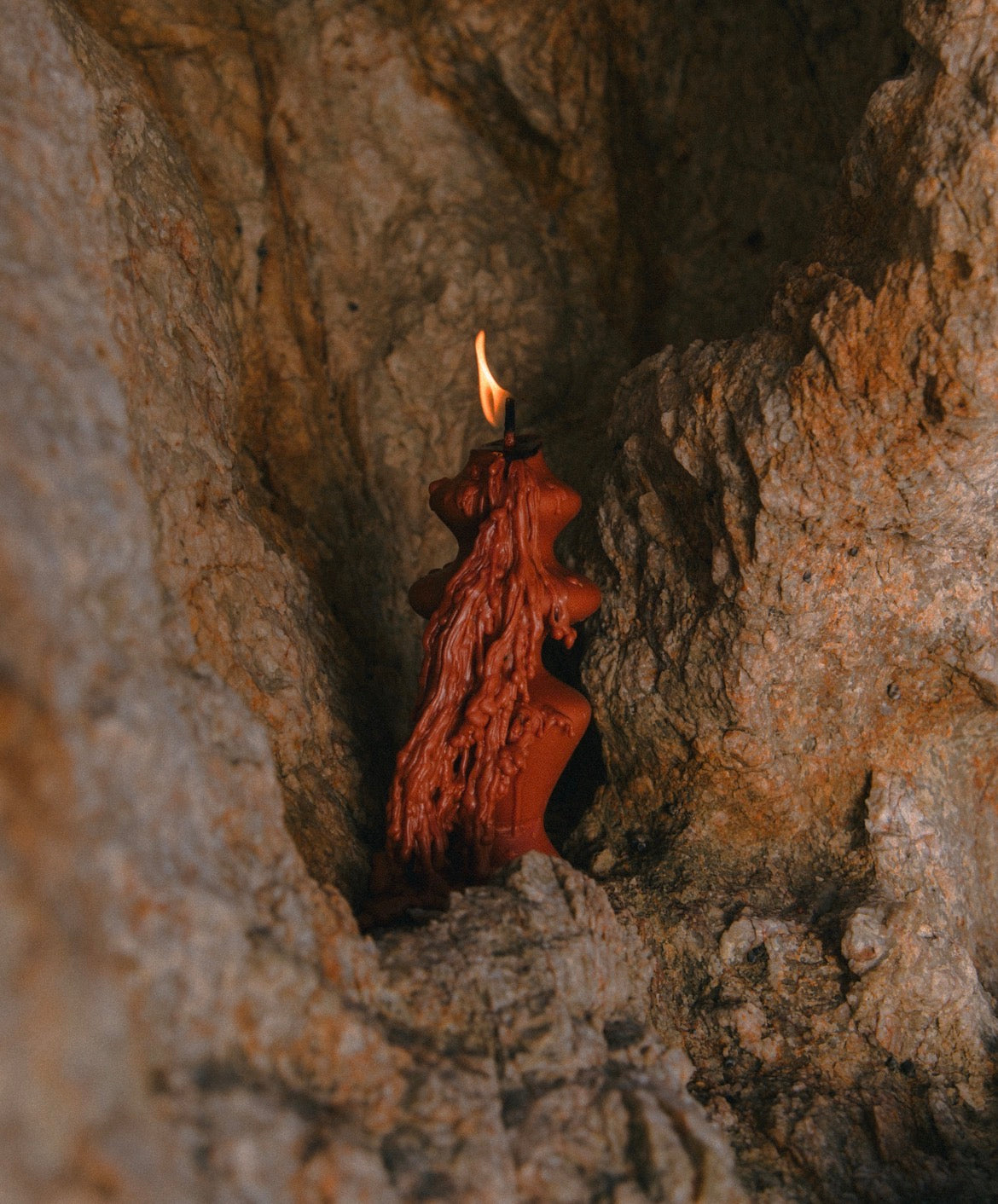
Our pieces are conceived first and foremost as sculptural objects. They can inhabit a space as form, or be lit and transformed by fire.
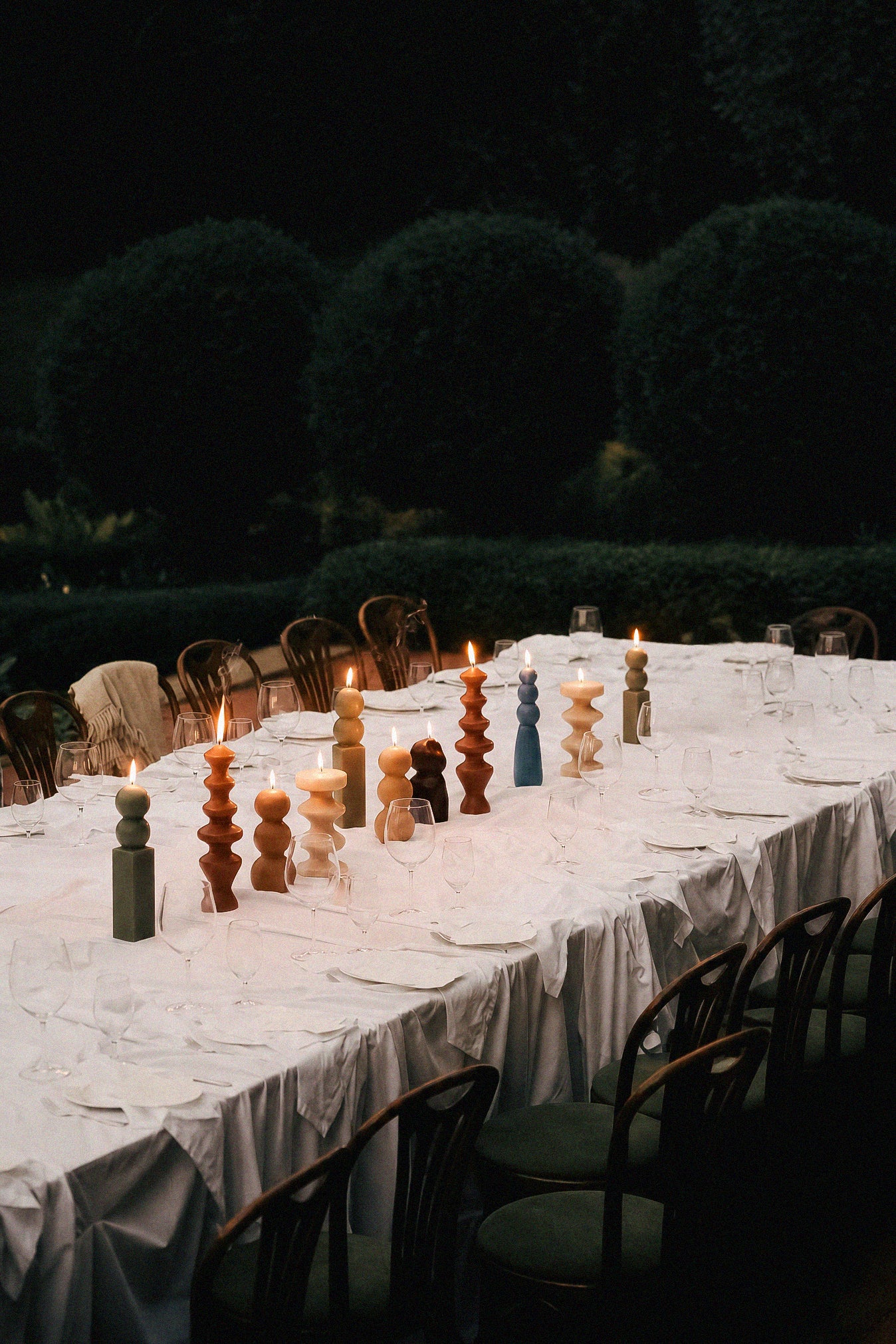
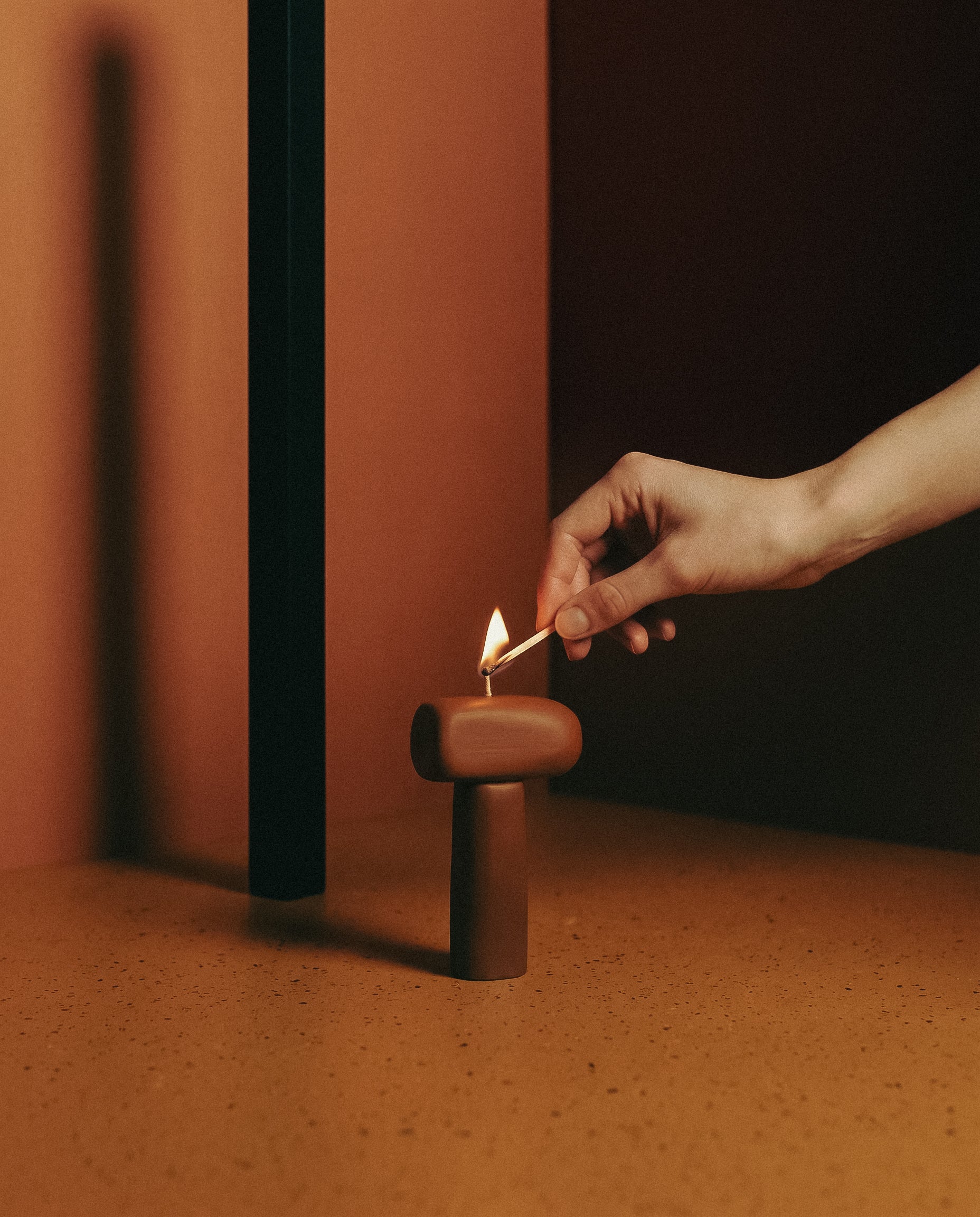
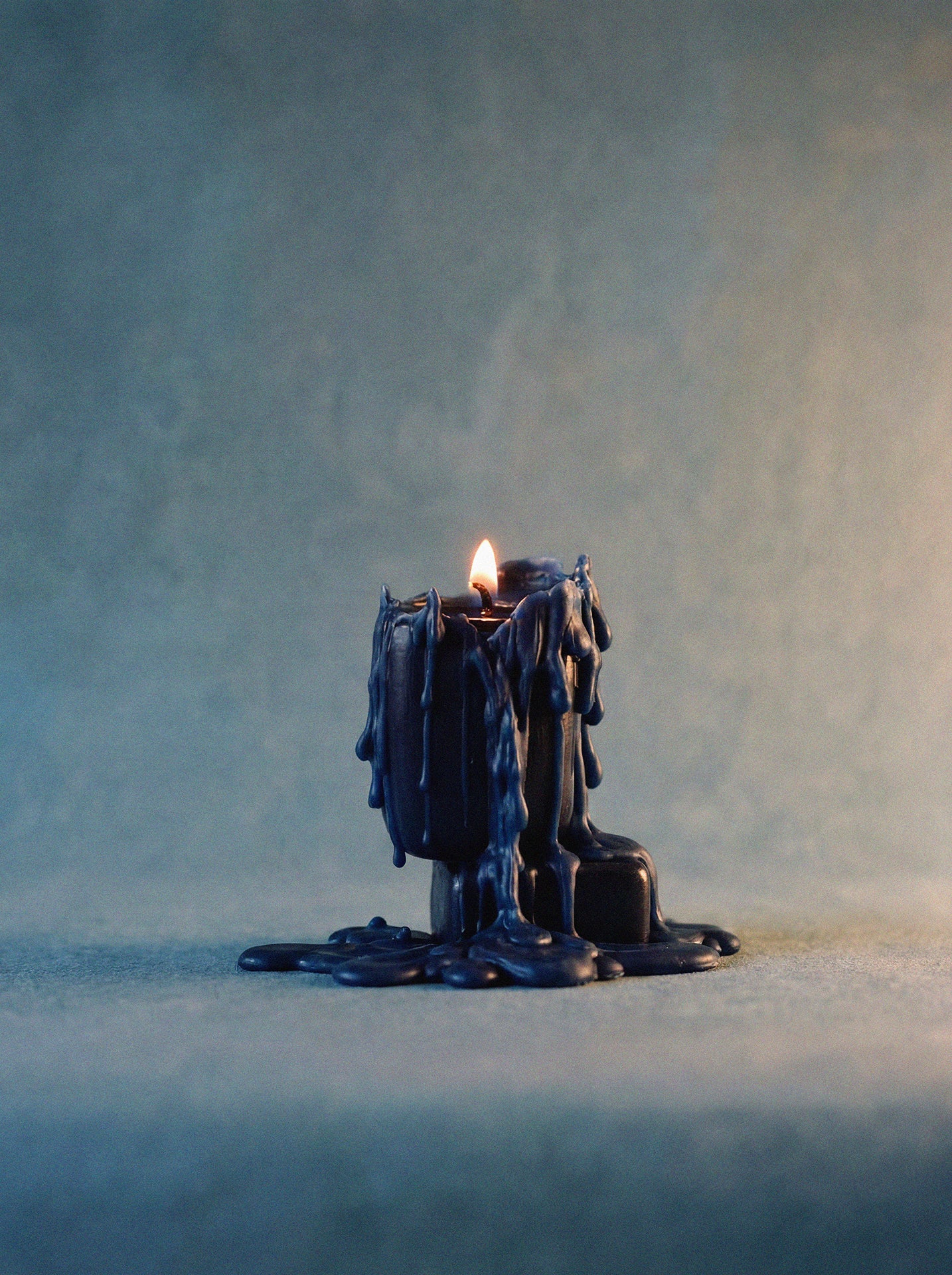
They are not built around combustion as their main function, but around the presence of the object. Fire is understood as a possibility: a way of activating the piece and altering its state.
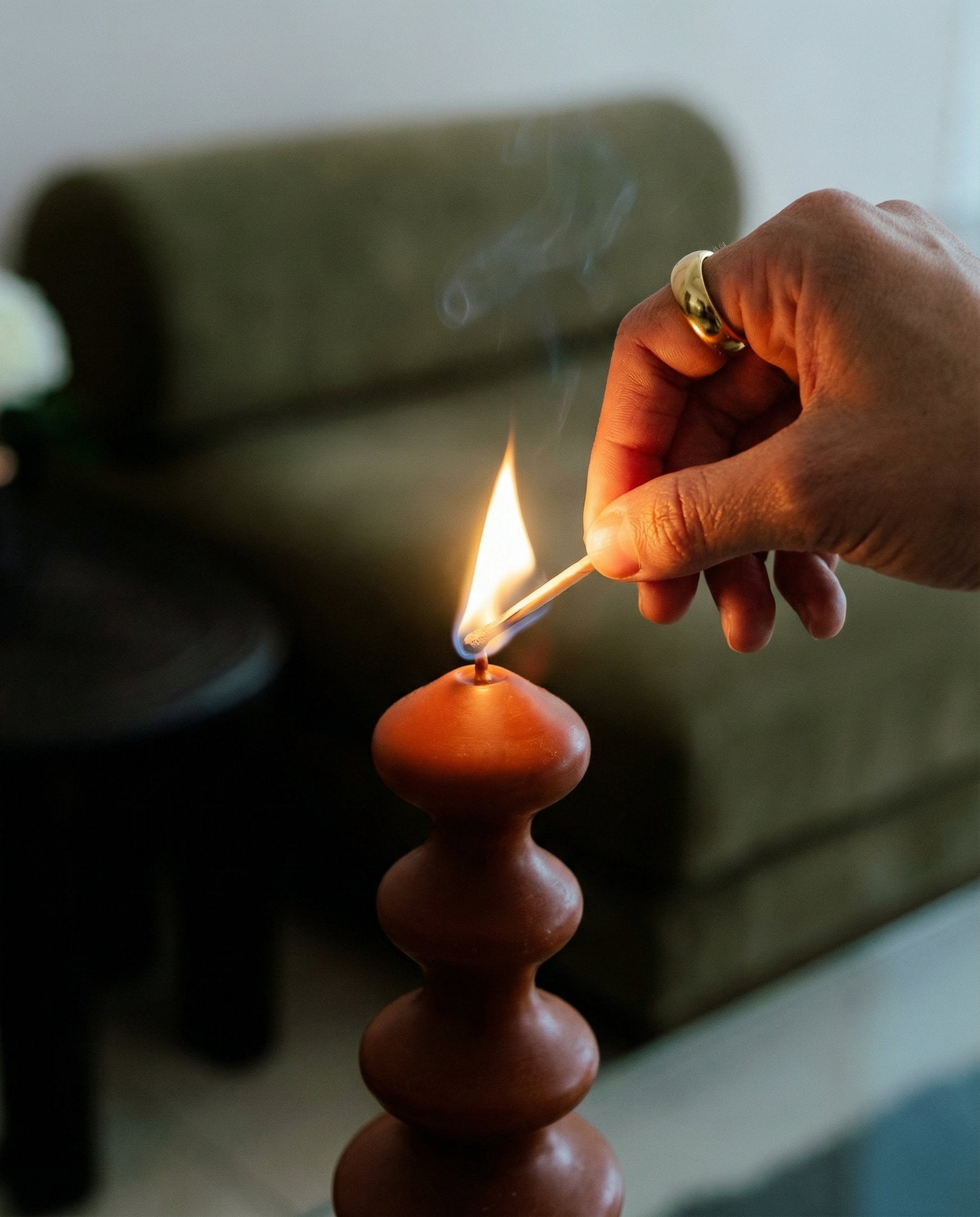
When it burns, the material transforms. The wax spills, the form changes and the silhouette evolves unpredictably. Each piece thus exists in two states: as a volume that remains and as a process in transformation.
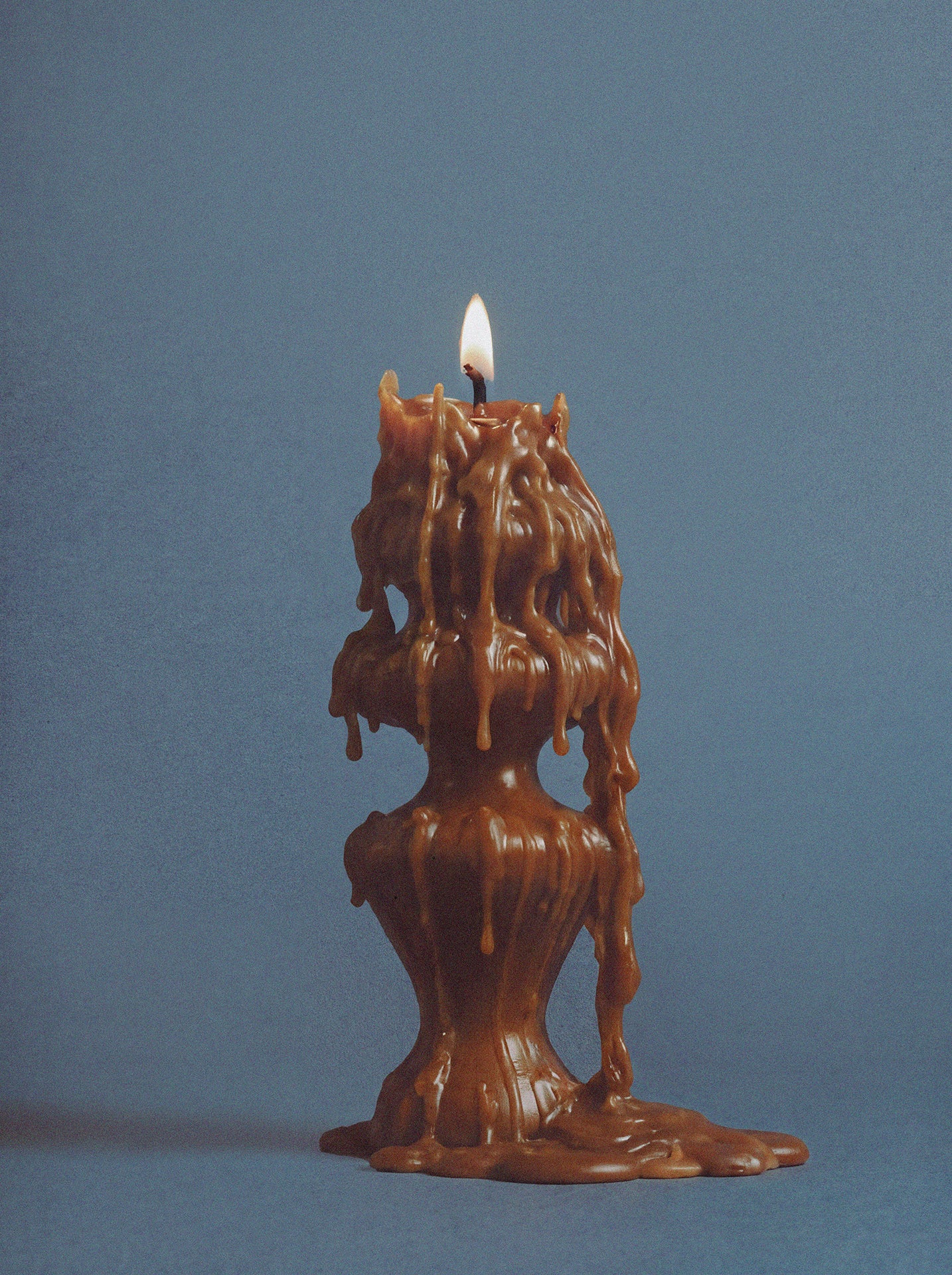
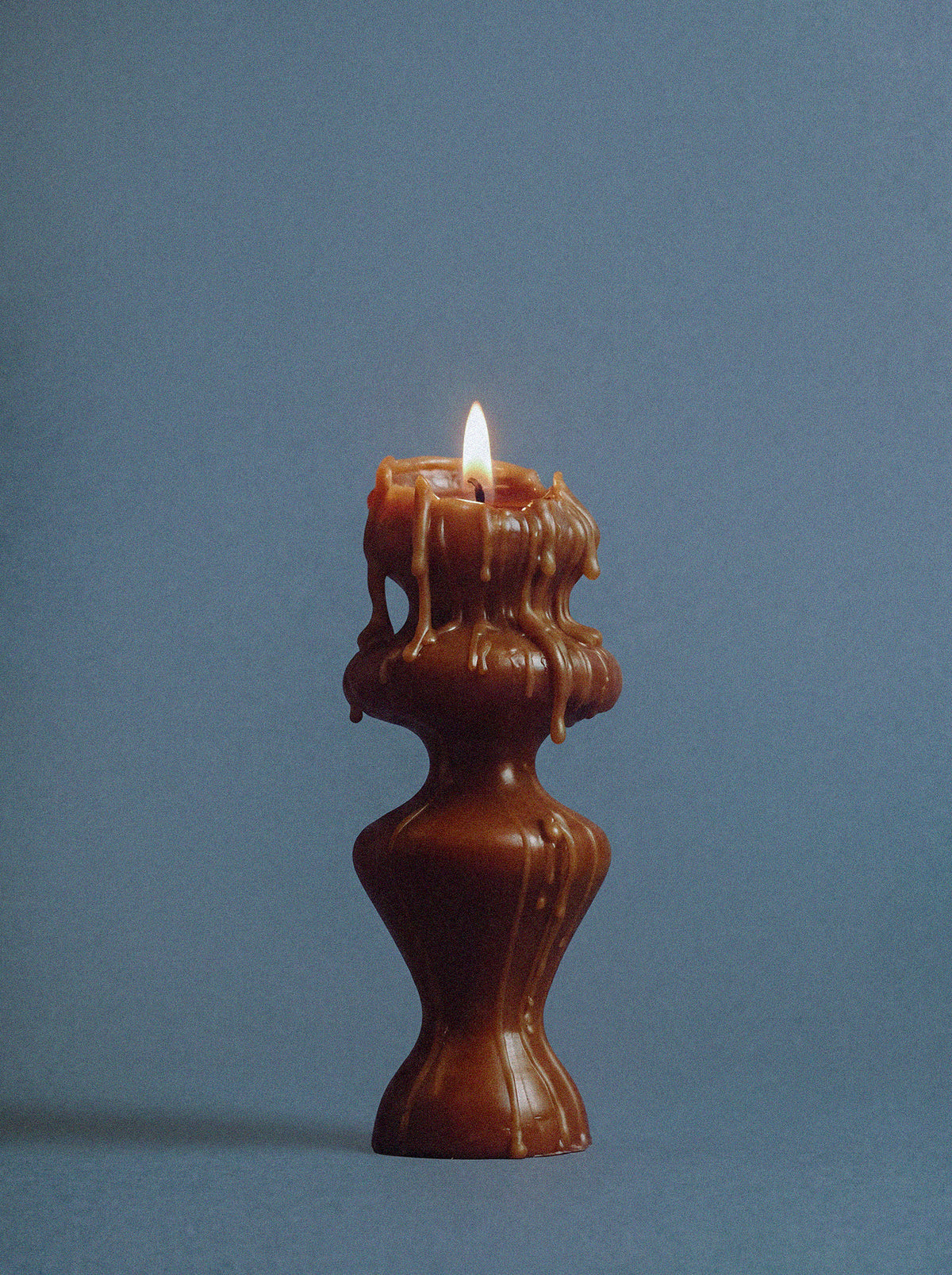
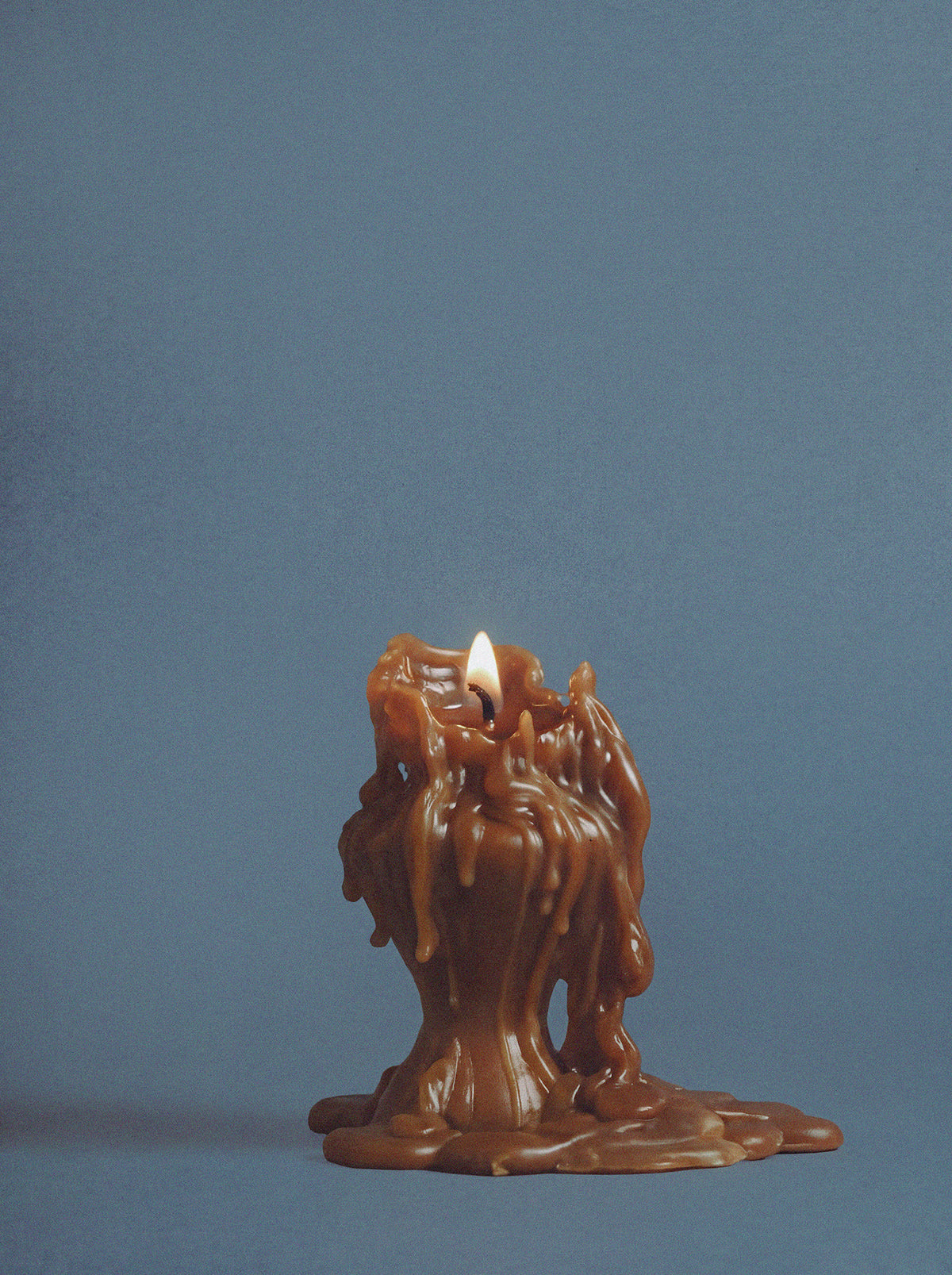
Even unlit, the scent is built into the wax and is subtly perceptible in the space. For use, it is important to:
- Always place the piece on a heat-resistant surface.
- If the piece has been in a cold space, let it acclimate to room temperature for several hours before lighting.
- Do not leave it burning for more than 2 hours at a time, and never unattended.
- Keep the wick at 5 mm before each lighting. The intensity of the flame may vary depending on the shape.
- While burning, the liquid wax may move: it is part of the process.
On pieces with a very irregular shape, with thin ends or pronounced silhouettes, the flame melts wax only in a narrow vertical column beneath the wick. The parts outside that column may come off by gravity.
Over time, a slight whitish layer may appear on the surface; this is natural to vegetable wax. It does not affect how the piece works and can be gently removed if desired.
Every piece is unique. Small variations in shape, color or texture are part of its nature.
